Choose transport around the load
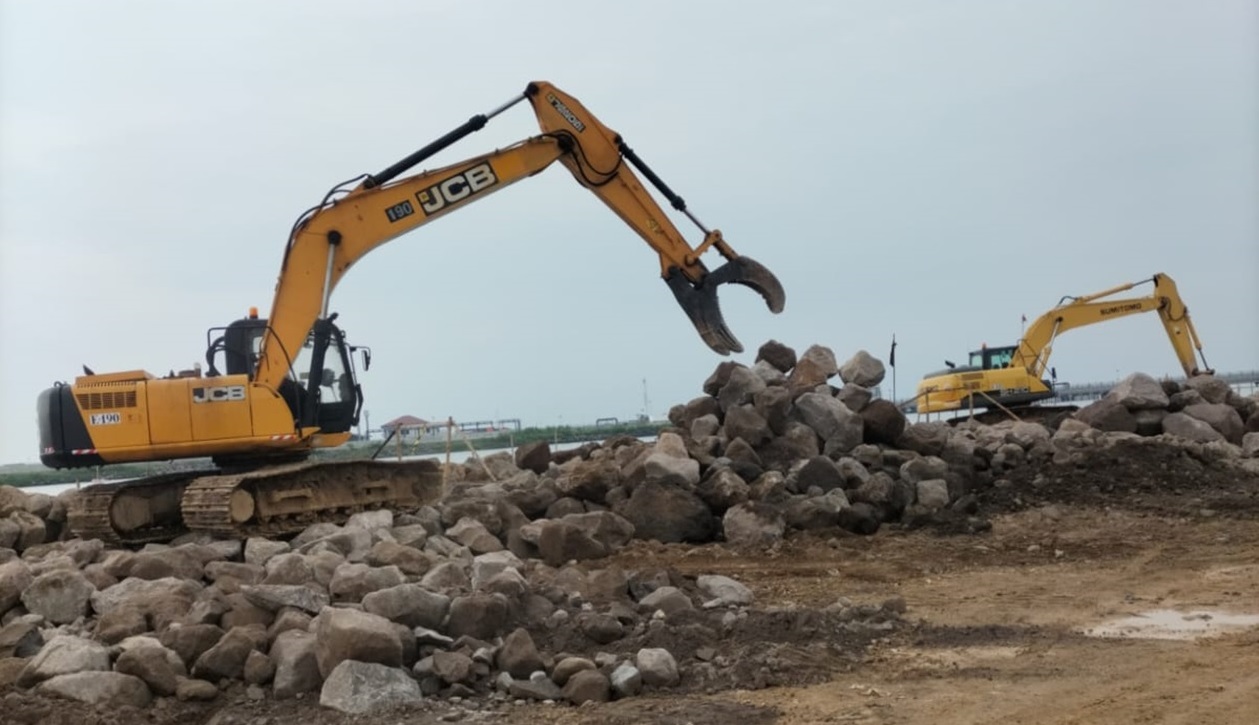
A heavy equipment transport request starts with the dimensions and weight of the machine being moved. Its name alone is not enough. Installed attachments, boom position during transport, and whether the machine can move under its own power affect the haulage plan.
Lowbed trailers and self loaders are common options in heavy equipment transport discussions. Neither should be selected from an estimated tonnage alone. Match the load data with the proposed vehicle specifications and conditions at the collection and delivery points.
What is a lowbed trailer?
A lowbed is a trailer with a low load-carrying deck. This can help manage the overall height of the vehicle and load combination. Manufacturers such as Faymonville offer different lowbed configurations for heavy haulage; each configuration's capabilities depend on its specifications.
Request deck dimensions, capacity for the proposed configuration, and the loading method. Do not assume all lowbeds share the same deck length, payload capability, or turning-space requirement. Measure the machine's height in the agreed transport position rather than its working position.
What should be checked on a self loader?
In local industry usage, self loader refers to a transport vehicle that supports machine loading through its loading equipment. Confirm the deck arrangement and mechanism on the vehicle being supplied. Not every vehicle carrying this name uses an identical system.
Check whether the machine can drive aboard, how the vehicle must be positioned, and the space required for loading. Report a non-running machine or attachments that change its transport dimensions. These circumstances require a specific plan rather than an assumption that loading will be the same as for a normal machine.
A practical comparison before requesting a quotation
The table below provides questions to ask, not prescribed capacities. The transport provider determines the configuration from load data and route assessment.
| Consideration | Lowbed trailer | Self loader |
|---|---|---|
| Vehicle | Confirm deck and trailer configuration | Confirm deck and loading equipment |
| Loading point | Manoeuvring space and loading/unloading method | Space for the loading position and machine access |
| Load dimensions | Overall vehicle-and-load dimensions | Compatibility of length, width, and height with the deck |
| Machine condition | Report whether it can move under its own power | Report any need for loading assistance |
Prepare access and coordinate the delivery
For mobilisation from Surabaya to Gresik or another project location, supplement the address with coordinates and photographs of the final access section. A suitable main road does not guarantee the transporter can enter the project site.
Provide unloading time restrictions, surface conditions, receiver contact details, and a waiting point. If route restrictions or travel documents apply, ask the provider to check the journey requirements. Do not assume a route is suitable just because another vehicle has used it.
Ensure the dispatch and receiving teams have matching information about the attachments being transported. Recording machine identification and condition during handover helps avoid different understandings at the two locations.
Conclusion
Compare lowbed and self-loader services by vehicle, load, and site suitability. Send the Arthalaut team machine photographs, transport dimensions, weight, origin and destination, machine condition, and schedule. This supports a focused discussion of heavy equipment transport and mobilisation.