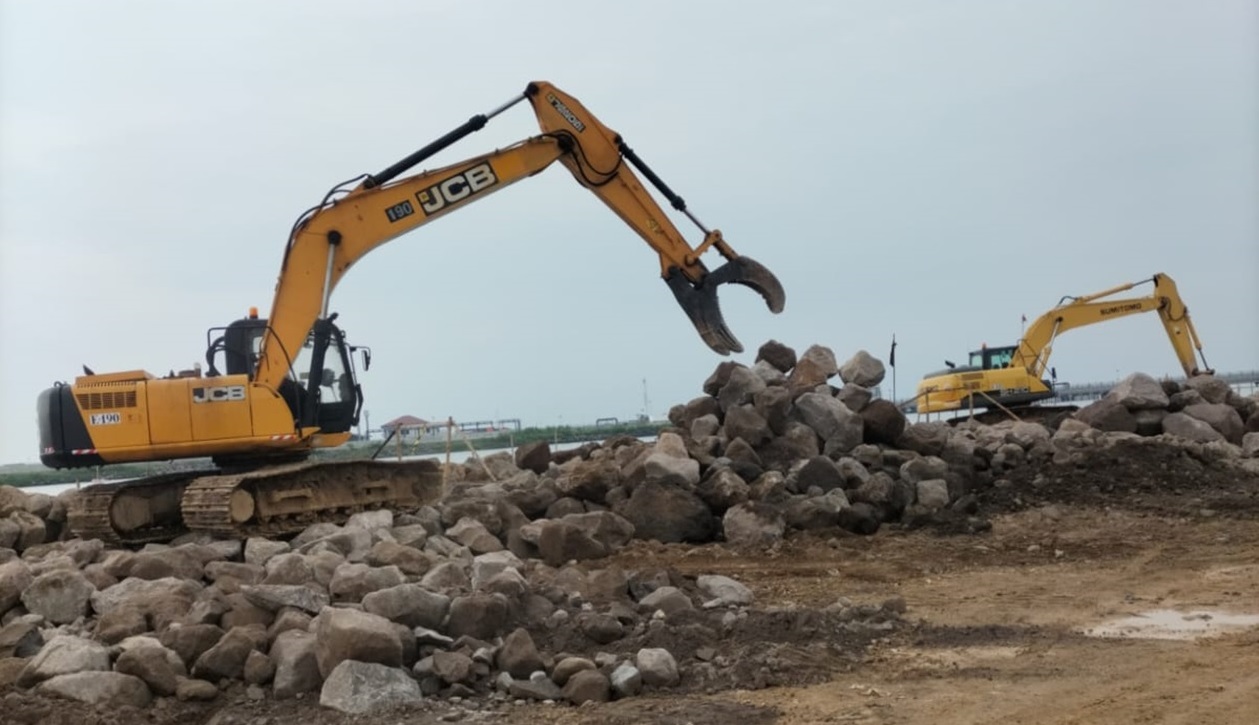

Explain the work in your rental request
Heavy equipment rental is easier to discuss when project requirements are clearly described. The provider needs to know what will be done, where the machine will operate, and when work will begin. A clear request helps reduce scope changes after delivery.
For rental in Surabaya, Gresik, East Java, or elsewhere, provide specific location and access information. Service coverage does not mean every equipment combination is available on every date. Confirm scheduling and mobilisation in the quotation.
Confirm suitability before comparing prices
Describe the material, estimated work, required depth or reach, and attachments. For lifting, do not treat the machine name or nominal tonnage as a capacity that applies in every position. Request assessment using the actual configuration and manufacturer documentation.
For crane rental, lift planning requires load, position, radius, supporting-ground, and configuration data. For forklifts, load shape and placement height also matter. Initial procurement should supply this information so the appropriate parties can handle the technical discussion; this article does not set lifting limits.
Compare like-for-like scopes
A base price may not cover every component of the work. Request a breakdown of included services and separately charged items. Keep a comparison record so quotations do not appear different merely because their scopes differ.
- Rental period, agreed working hours, and hour recording.
- Operator, fuel, equipment, and attachments.
- Mobilisation and demobilisation, including origin and destination.
- Terms for an unready site, waiting equipment, or schedule changes.
- Technical support, site coordination, and fault reporting.
Prepare the site and equipment reception
Ensure access, the unloading point, and the initial work area are usable. Provide a responsible contact who can be reached on arrival. Communicate project documentation or induction requirements before mobilisation so they do not become last-minute tasks on site.
At handover, record machine identification, attachments, visible condition, and agreed initial readings. Photographs help establish the starting condition. Authorised personnel should perform operational and suitability checks under the relevant procedures rather than judging by appearance alone.
Keep quotation and handover records with the same coordinator or in a shared project system. This prevents personnel changes from interrupting information about scope, schedules, and initial condition.
Plan communication throughout the rental
Identify who may approve changes to location, schedule, or machine duties. A small change can require another attachment, additional transport, or a ground assessment. Record changes so the provider and project team share the same reference.
Prepare the next area before work in the first area finishes. If a problem occurs, report the machine identity, location, symptoms, and working conditions to the technical contact. Do not force continued operation or make changes without appropriate direction.
Conclusion
Before renting heavy equipment, establish a shared understanding of the work, configuration, costs, access, and responsibilities. Send PT Arthalaut Bumijasa a requirements summary and schedule through the contact page. Discussions can cover heavy equipment, transportation, construction, or material handling according to the project's scope.


