
Land clearing involves a sequence of tasks
Land clearing is more than pushing all material off a site. It may involve removing vegetation, separating organic material, handling demolition debris, and preparing areas for the next stage. A clear sequence helps prevent unsuitable material from mixing with fill intended for use.
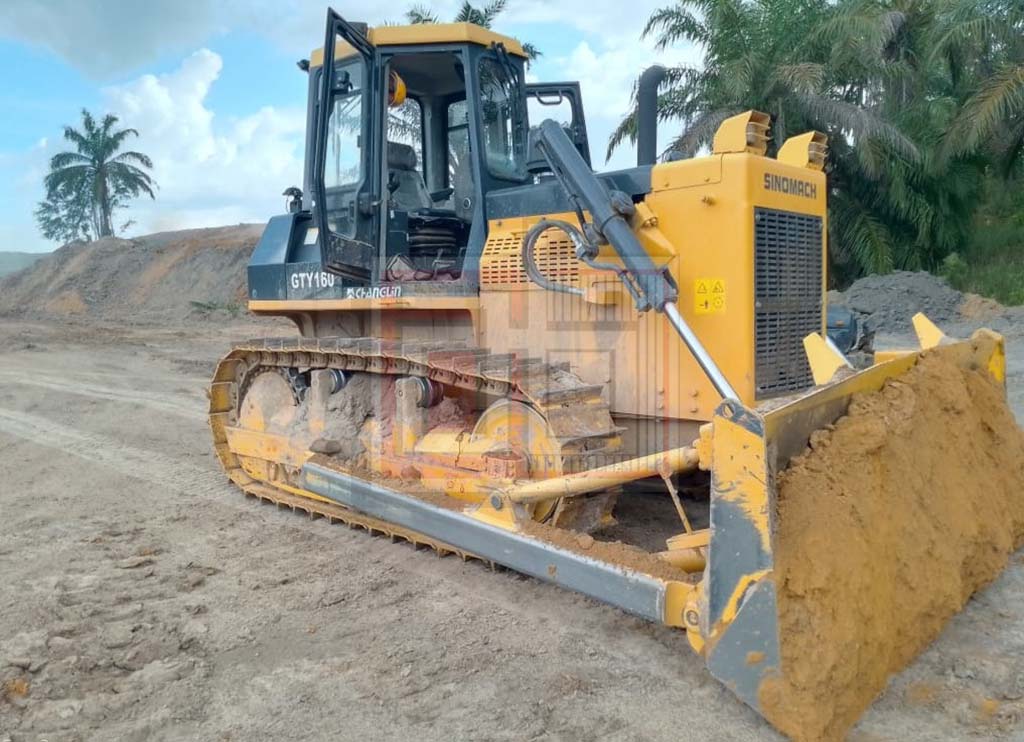
A bulldozer performs pushing, material spreading, and initial surface shaping. Caterpillar describes dozer applications ranging from site clearing to spreading and grading. These roles must fit the project; the machine should not be treated as a single solution for the entire process.
Identify the dominant work
Separate tasks that mainly require pushing from excavation or loading. Material that must be lifted into a truck requires suitable loading equipment. Where ground levels change, drawings and survey results help determine the work sequence.
Preparing a warehouse site may require vegetation removal, topsoil separation, material movement, and initial level formation. Each stage has a different purpose. A bulldozer rental request should explain which stage the machine will handle.
Site information that guides the choice
Site area alone does not determine dozer requirements. Material type, surface conditions, push distance, and manoeuvring space must be considered. Wet areas or ground with low bearing capacity require technical assessment before machine operations.
Compare blade and undercarriage configurations with the supplier against the intended task. Do not judge all dozers solely by engine power. Transport access and the unloading location should be ready before confirming arrival.
- A plan showing work boundaries and areas that must be retained.
- Estimated quantities and destinations for each type of material.
- Ground conditions, standing water, utilities, and nearby activities.
- Design levels and the sequence for handing over completed areas.
Coordinate supporting equipment and material flow
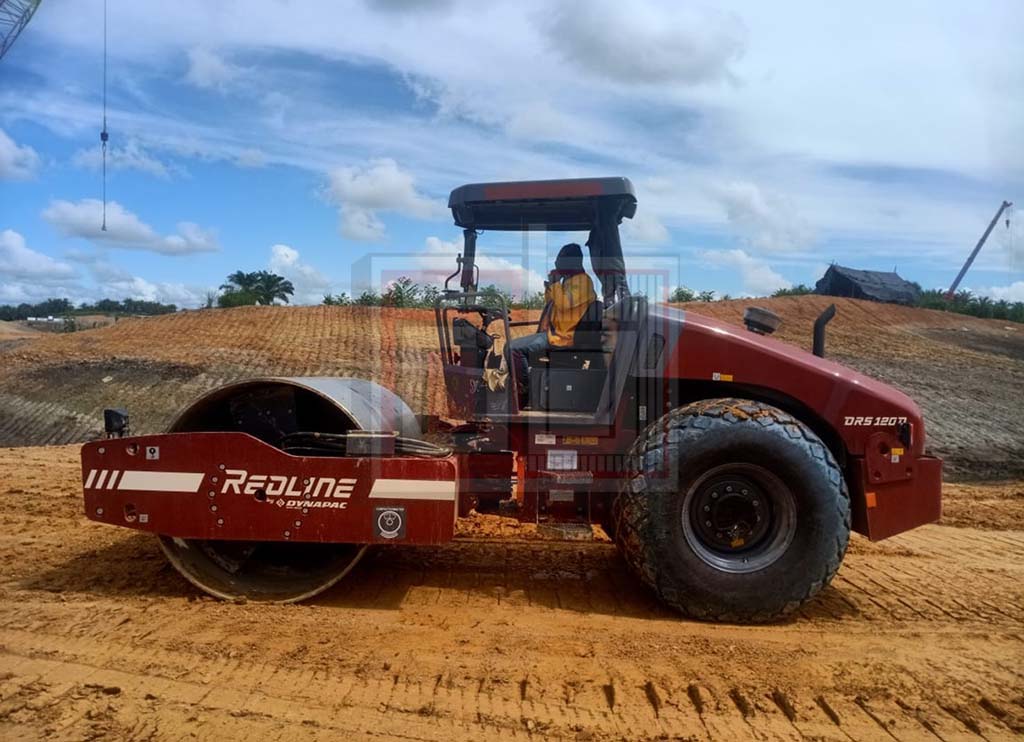
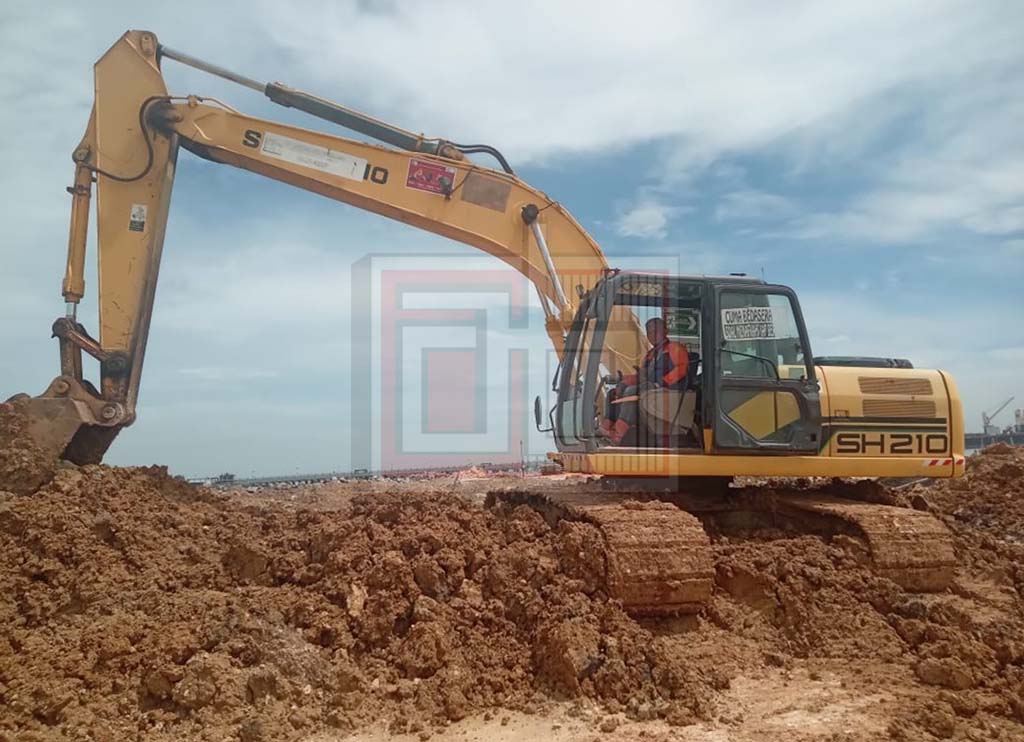
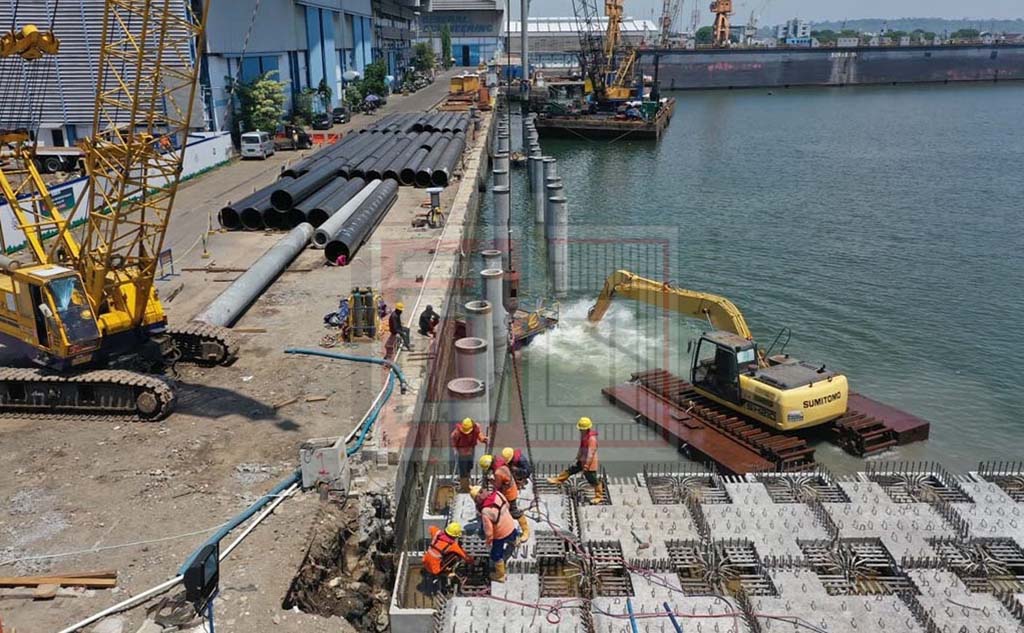
An excavator may be needed for digging or particular material-handling tasks, while haulage is required if material leaves the site. Compaction is a separate stage after formation. A coordinated equipment plan is more useful than adding machines without defining the workflow.
Agree on temporary stockpile locations. Material placed in machine or truck routes may have to be moved again. Early layout planning helps reduce rework and makes area-by-area inspection easier. Establish communication arrangements for conditions that differ from the plan.
Define the quotation scope
Clarify whether the scope covers clearing, internal movement, off-site haulage, or equipment supply alone. Discoveries such as old foundations or unidentified material need a confirmation process before work continues.
Coordinate utility protection and vegetation handling with the project representative. Work methods and operating limits must follow competent assessment and the machine manual. Photographs support initial discussions but do not replace a site inspection when one is required.
Conclusion
Choose a bulldozer around the dominant task, ground conditions, and material movements. Send Arthalaut a site plan and land-clearing scope. Equipment requirements can be discussed alongside construction and heavy equipment services so site preparation remains connected to subsequent work.