
Compaction is part of construction quality
A level surface does not necessarily meet a project's compaction requirements. After material placement and level formation, soil layers need an appropriate treatment method followed by verification. A vibratory roller is one equipment option for this stage.
Procurement involves more than bringing in a roller. The team must know the material, required result, and acceptance method. These come from project plans and specifications, not a single pass count assumed to suit every condition.
How does a vibratory roller contribute?
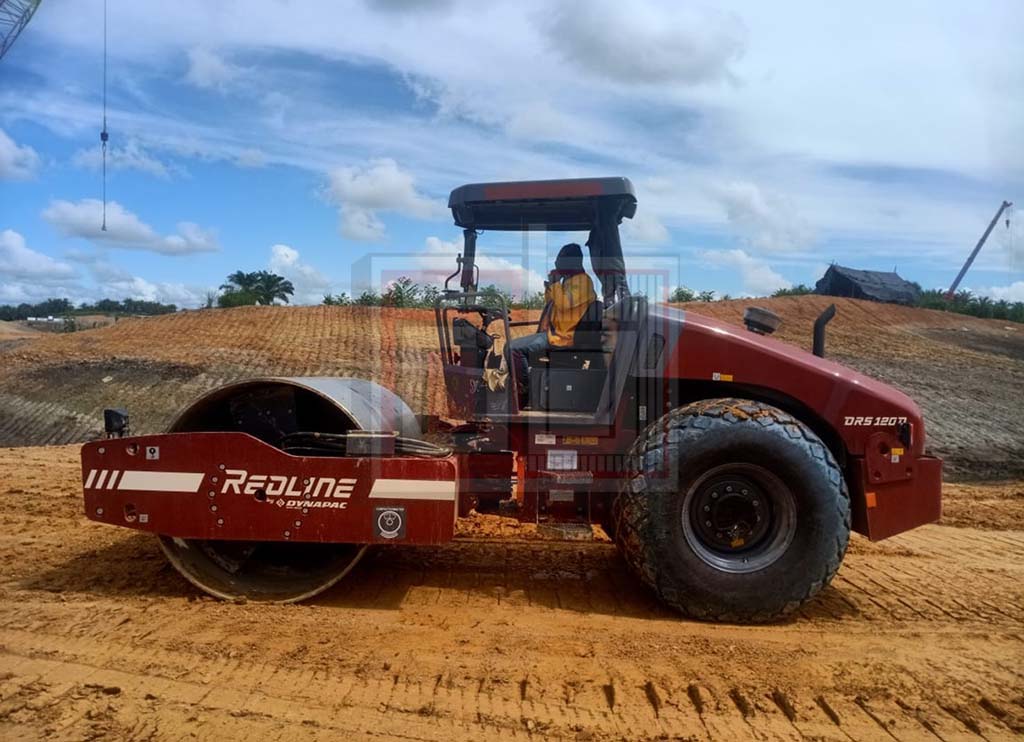
A vibratory roller combines a drum and vibration system in a configuration designed for compaction. Machine selection and use must suit the material and site. A roller for earthworks is not automatically the same as equipment for asphalt layers.
Manufacturers distinguish smooth and padfoot drums for different material groups. Caterpillar describes smooth drums for granular and semi-cohesive materials, and padfoot drums for semi-cohesive and cohesive materials. This is a starting point for selection, not a substitute for assessing the project's material.
Consider the material and layer conditions
Request information on fill type, moisture conditions, planned lift thickness, and required results. Overly wet material or an unprepared layer cannot be assumed complete simply by adding roller passes.
Site checks and technical direction are needed to establish the method. Machine settings must follow the manual and work plan. Do not set amplitude, frequency, speed, or pass count from a general article: the appropriate combination depends on material and working conditions.
Connect compaction with clearing and cut and fill
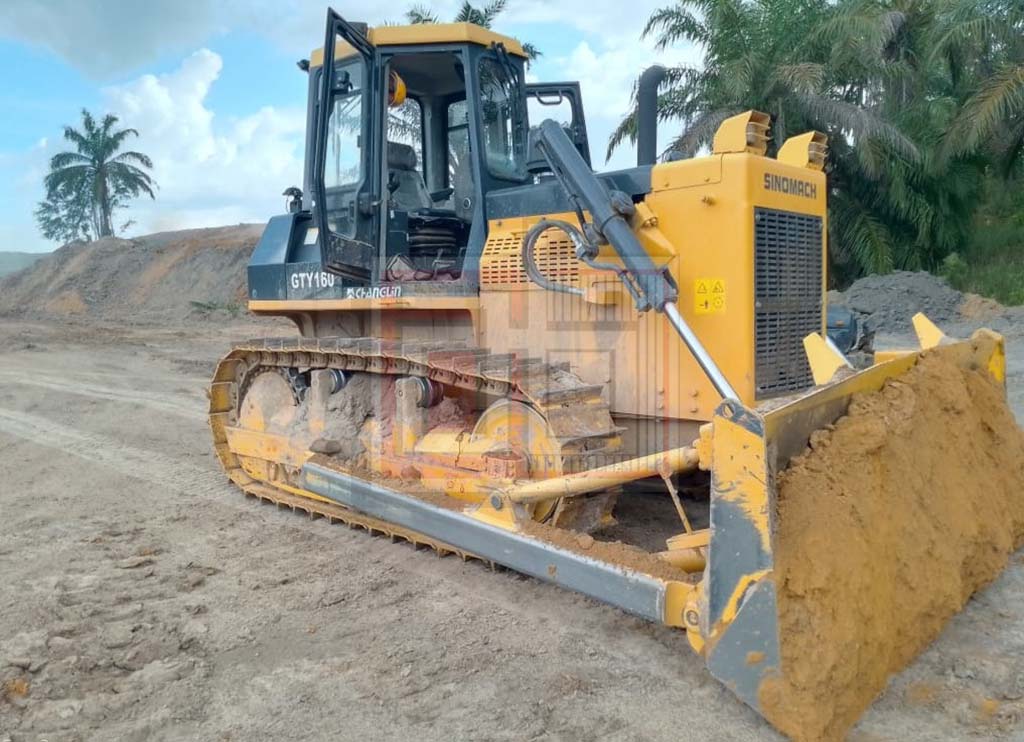
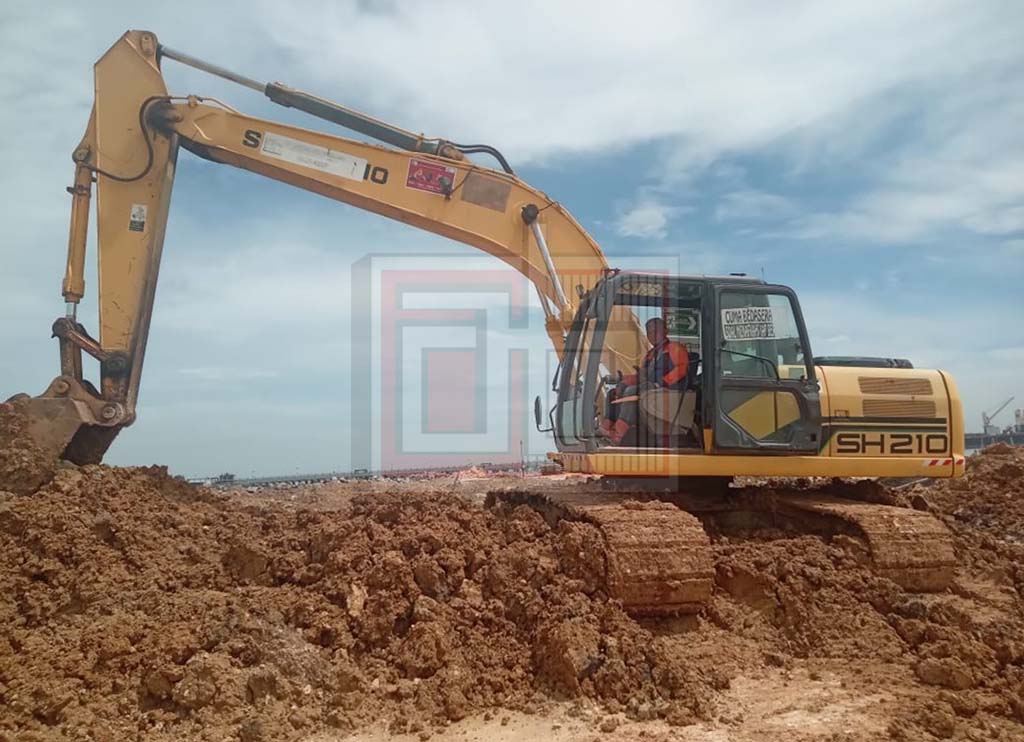
Clearing, cut and fill, level formation, and compaction are linked stages of site preparation. Unseparated organic material or unmanaged water flow can affect later stages. Roller scheduling should follow area readiness, not equipment availability alone.
An industrial site, for example, may be divided into areas for phased handover. Identify which areas are ready for compaction, which are still receiving material, and where vehicles will travel. This separation helps avoid rework caused by unplanned vehicle movements.
Test results rather than judging the surface
Agree on inspection and documentation requirements in line with the project specifications. A surface that looks firm, or completion of a set number of passes, is not enough for acceptance without clear criteria. Records of areas, work dates, and test results support traceability.
If results fall short, assess the material, layer conditions, and method with the technical team. Do not immediately assume that a larger machine will address the cause.
- Prepare the compaction specifications and acceptance method.
- Confirm material, area readiness, and the testing schedule.
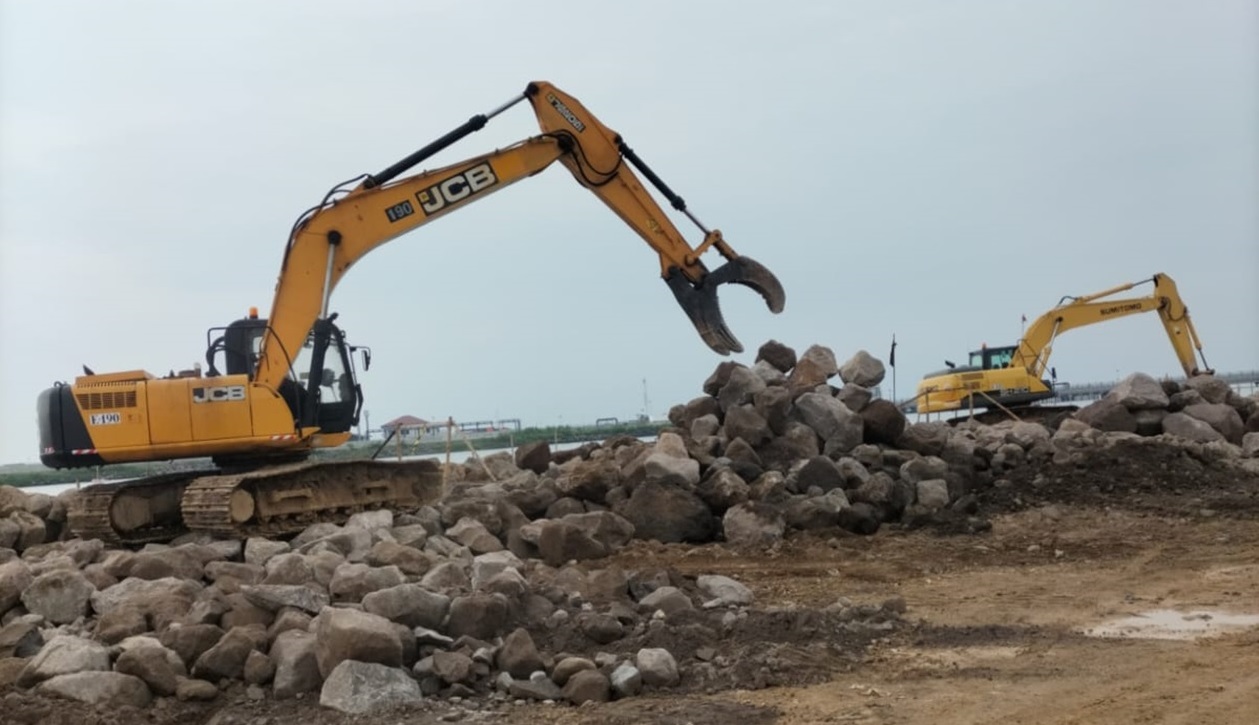
- Discuss the roller alongside equipment for spreading and ground formation.
- Identify a contact for changes caused by rain or site findings.
Conclusion
Plan vibratory roller rental together with material, method, and result verification. For compaction or site preparation, discuss construction and heavy equipment services with Arthalaut. Machine and method selection must reflect actual project conditions, with the scope agreed before work starts.